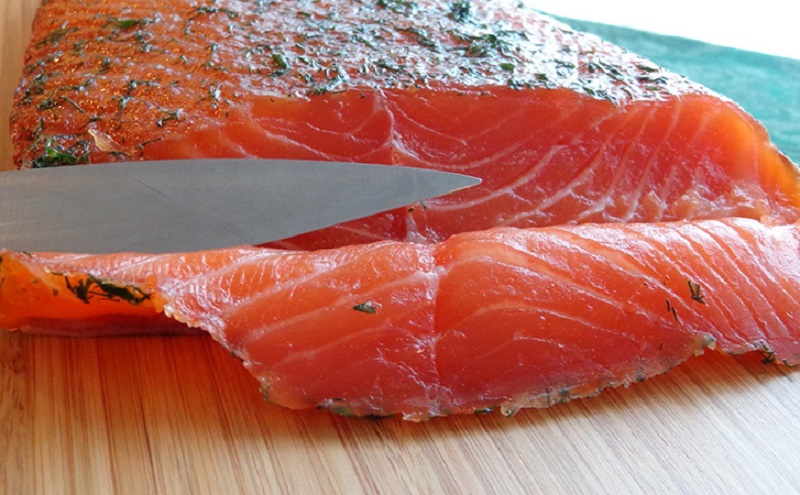
Homemade gravlax is one of those recipes that looks impressive on a holiday table but is surprisingly easy to make. There’s no cooking involved—just a fresh salmon fillet, a fragrant salt cure, and a little patience. After a couple of days in the refrigerator, the fish becomes firm and silky, with a delicate balance of citrus, warm spices, and rich salmon flavor.
I love serving this Scandinavian-style cured salmon on crispbread with cucumber and dill, or arranging it on a platter for brunch. It also makes an elegant addition to salads, sandwiches, and appetizers. This easy gravlax recipe uses lemon, lime, and orange zest, along with coriander and peppercorns for a bright, aromatic finish.
Gravlax is traditionally cured salmon, not smoked salmon. The salt and sugar draw out moisture and season the fish, but they do not cook it. Because this recipe is served without heat, start with high-quality salmon from a trusted source and follow the food-safety guidance below.
What Is Gravlax?
Gravlax is a Scandinavian preparation of salmon cured with salt and sugar, often with dill and other seasonings. The curing process firms the fish and gives it a savory, gently sweet flavor. Unlike smoked salmon, gravlax isn’t smoked. It’s also different from salmon cooked with lemon juice: citrus zest adds aroma here, while the salt cure does the main work.
For this version, I use lemon, lime, and orange zest, plus coriander and two kinds of pepper. The result is fresh and fragrant rather than sharply sour, because the recipe calls for zest—not a large amount of citrus juice.
Ingredients
Makes about 6–8 appetizer servings.
⦁ 1½–2¼ pounds skin-on salmon fillet, pin bones removed
⦁ 2 tablespoons coarse sea salt
⦁ 1 tablespoon granulated sugar
⦁ Zest of 2 lemons
⦁ Zest of 1 lime
⦁ Zest of 1 orange
⦁ 1 teaspoon coriander seeds
⦁ Pink peppercorns, to taste
⦁ Timut peppercorns, to taste
Coarse sea salt is ideal for an even cure. If you’re using a finer salt, measure carefully: fine salt packs more densely, so the same volume can make the fish much saltier.
Timut pepper is a fragrant pepper from Nepal with a citrusy aroma. If you can’t find it, substitute a small pinch of crushed black peppercorns or Sichuan peppercorns. The flavor will be different, but still delicious.
Choosing Salmon for Gravlax
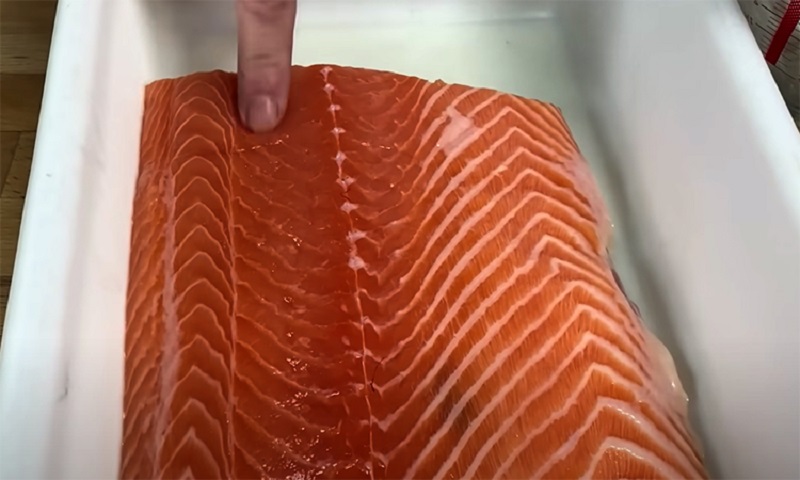
Choose a fresh, good-quality fillet with the skin on. The skin helps the fish hold its shape during curing and makes it easier to handle and slice. Ask the fishmonger to remove the pin bones, or check the fillet yourself by running your fingertips along the center line and pulling out any bones with clean tweezers.
Because gravlax is not cooked, use salmon from a reputable fish market and ask whether it is suitable for raw or lightly cured preparations. Freezing can reduce the risk from parasites, but it does not eliminate every food-safety hazard. Follow local food-safety recommendations for fish intended to be eaten without cooking, and keep the salmon cold throughout preparation and curing.
How to Make Citrus Gravlax
- Prepare the salmon
Pat the salmon dry with paper towels. Check carefully for pin bones and remove any you find. If the fillet has a particularly thick section, you can make a few very shallow cuts in the flesh to help the cure season it more evenly. Don’t cut all the way through.
Place the salmon in a clean glass or ceramic dish, skin-side down. Avoid reactive metal containers, which may affect the flavor.
2. Make the citrus cure
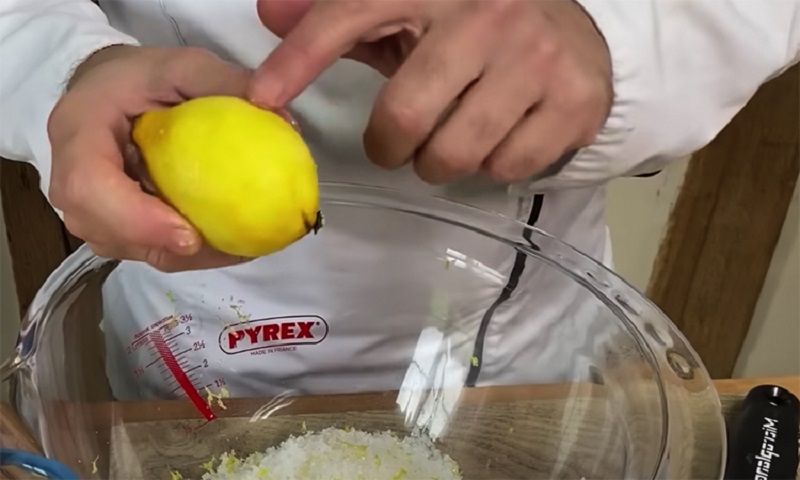
Finely grate the zest from the lemons, lime, and orange. Use only the colorful outer layer of the peel; the white pith underneath can taste bitter.
In a small bowl, combine the citrus zest, salt, and sugar. Lightly crush the coriander seeds with a mortar and pestle or the flat side of a knife. You want coarse, fragrant pieces—not powder. Crush the pink peppercorns lightly, if desired, and leave the Timut pepper whole or roughly cracked.
Stir the spices into the salt mixture. I use zest rather than citrus juice because it gives the salmon a fresh aroma without making the surface overly acidic or soft.
- Coat and refrigerate
Spread about half of the cure mixture in the bottom of the dish. Set the salmon on top, skin-side down, then cover the flesh evenly with the remaining mixture. Gently rub it over the top and sides, making sure the edges are coated.
Cover the dish tightly and refrigerate. Keep the salmon at 40°F or below during curing. After about 12 hours, carefully turn the fillet so it cures more evenly. You’ll notice liquid in the dish; that’s normal as the salt and sugar draw moisture from the fish.
A small, clean weight can help the salmon cure evenly, but it isn’t necessary. If you use one, keep it light—too much pressure can flatten the fillet.
4. Cure to your preferred texture
Start checking the salmon after 48 hours. At that point, it should be lightly cured and relatively tender. Around 72 hours gives a firmer texture and more pronounced seasoning. You can cure it for up to 4 days if you prefer a denser slice, turning it once a day.
The exact timing depends on the thickness of the fillet. A thinner piece will cure faster than a thick center-cut portion, so use texture as a guide as well as time. The salmon should feel firmer than it did when raw but still look moist.
5. Rinse, dry, and slice
Remove the salmon from the dish and brush away the cure, citrus zest, and spices. For a milder, less salty flavor, rinse the fillet briefly under cold water, then pat it very dry. If you prefer a stronger cure, simply wipe it clean instead.
Use a sharp, long knife to slice the salmon thinly at a shallow angle. Start at the narrow end and draw the knife almost parallel to the cutting board. Thin, even slices are ideal, but they should still have enough body to hold their shape.
How to Serve Homemade Gravlax
For an easy appetizer, serve gravlax with rye bread or crispbread, cucumber, fresh dill, and a spoonful of mustard-yogurt sauce. The cool, tangy sauce complements the salmon without masking its citrus and spice notes.
Here are a few more serving ideas:
⦁ Add it to a salad with boiled potatoes, lettuce, and green onions.
⦁ Pair it with avocado, capers, and thinly sliced red onion.
⦁ Layer it onto a bagel or toast with cream cheese and fresh herbs.
⦁ Arrange slices on a platter with lemon wedges, dill, and crisp vegetables.
⦁ Serve it alongside scrambled eggs or a brunch spread.
For a simple sauce, stir together thick Greek yogurt or sour cream, a little Dijon mustard, lemon zest, chopped dill, and black pepper. Taste before adding salt—the gravlax is already seasoned.
Helpful Tips for the Best Gravlax
⦁ Keep the salmon cold. Refrigerate it promptly and don’t leave it at room temperature while preparing the cure.
⦁ Use zest, not lots of juice. Zest gives a fragrant citrus flavor without making the surface too soft or sour.
⦁ Cure the whole fillet evenly. Coat the flesh and sides well, and turn the salmon during curing.
⦁ Adjust the curing time to the thickness. Begin checking after 48 hours; thicker fillets may need longer.
⦁ Use a sharp knife. A long, thin blade makes cleaner slices and helps prevent tearing.
⦁ Slice only what you need. Keeping the remaining piece whole helps preserve its texture.
Easy Variations
Beet and dill gravlax
For a vivid pink-purple color and a lightly earthy sweetness, add finely grated raw beet and chopped fresh dill to the salt-and-sugar cure. Wear gloves while handling the beet to avoid staining your hands.
Citrus and fresh dill
Stir chopped fresh dill into the cure for a more traditional Scandinavian flavor. Dill works especially well with lemon and coriander.
A little vodka
Some gravlax recipes include a small splash of vodka. If you choose to use it, use only a modest amount and don’t rely on it to make the fish safer. The quality of the fish and proper refrigeration remain essential.
Different spices
Try a small amount of crushed black pepper, fennel seed, or mustard seed. Keep the spice mix balanced so it complements, rather than overwhelms, the salmon.
Storage and Food Safety
Keep gravlax refrigerated in a tightly covered container or wrapped well in parchment. Store it at 40°F or below, and avoid leaving it out at room temperature for extended periods. For the best quality, enjoy it within 3 days after curing.
This recipe uses fish that isn’t cooked. Freezing may help reduce parasite risk, but freezing does not make fish sterile or remove all possible hazards. People who are pregnant, very young children, older adults, and anyone with a weakened immune system should avoid raw or undercooked seafood unless advised otherwise by a healthcare professional.
Frequently Asked Questions
Is gravlax raw salmon?
Gravlax isn’t cooked with heat. It is cured with salt and sugar, which draw out moisture and firm the fish. It should be treated as a raw or lightly cured seafood preparation when considering food safety.
How long should I cure salmon for gravlax?
For this recipe, begin checking after 48 hours. Around 72 hours usually gives a firmer, more seasoned result, while a thick fillet may take longer. Avoid curing it much beyond 4 days, as the flavor can become too strong and the texture overly firm.
Do I need to use citrus juice?
No. The zest provides plenty of citrus aroma. Using a lot of juice can make the outside of the salmon too acidic and affect its texture.
Can I use a boneless salmon fillet without skin?
You can, but skin-on salmon is easier to handle and slice. If using skinless fillet, turn it carefully during curing and keep it supported so it doesn’t break apart.
Can I freeze homemade gravlax?
For best texture, I recommend freezing the uncured salmon according to appropriate food-safety guidance, then thawing it slowly in the refrigerator before curing. Freezing finished gravlax can change its texture. Always keep it cold and follow local recommendations for seafood served without cooking.
A Simple, Elegant Salmon Recipe to Make at Home
This homemade citrus gravlax transforms a salmon fillet with just salt, sugar, zest, and a few fragrant spices. It takes only a little hands-on time, then the refrigerator does the rest. I love how the bright citrus and warm coriander create a flavor that feels special but still fits a relaxed family brunch or autumn appetizer spread.
Serve it on rye bread with cucumber and dill, or add a few slices to a salad for an easy, beautiful meal. Would you try the bright citrus version, or add beet and dill for a colorful twist?
Happy cooking from Cook Delicious with Rin Liadon!