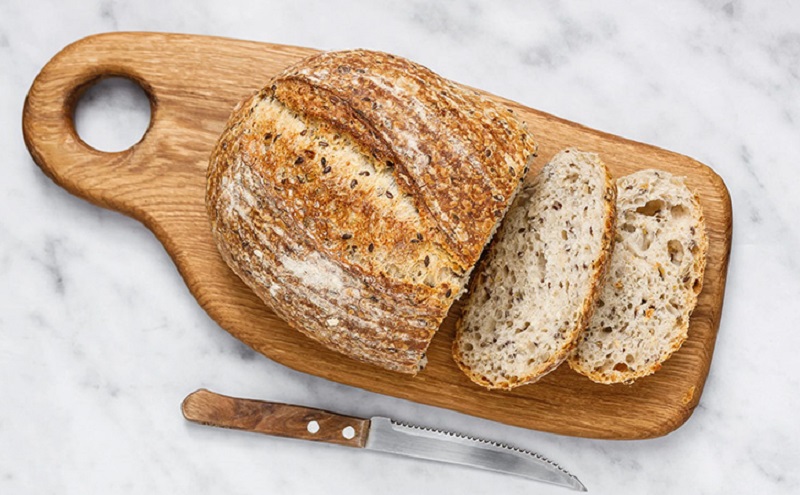
If you love homemade bread but don’t always have time to knead dough, wait for it to rise, or deal with yeast, this easy red lentil bread is a lovely alternative. It’s made with soaked red lentils blended into a smooth batter, then baked until the outside is firm and lightly crisp while the inside stays soft and hearty.
This is not a wheat loaf, so it won’t taste or feel exactly like traditional sandwich bread. The lentils give it a mild, earthy, slightly nutty flavor and a dense, tender crumb. I like serving it toasted with avocado, cream cheese, or a bowl of warm soup. It’s also a satisfying way to add variety to the bread basket, especially on a cool fall day.
The recipe uses no regular wheat flour, yeast, or eggs. It does contain oil, and the calories will vary depending on the ingredients and how thickly you slice the loaf, so I don’t think of it as a weight-loss food. I simply enjoy it as a different, filling homemade bread made from a handful of everyday ingredients.
Why You’ll Love This Red Lentil Bread
⦁ No yeast or rising time: There’s no kneading and no waiting for dough to double.
⦁ Made with a short ingredient list: Red lentils, water, oil, baking powder, and salt are all you need.
⦁ Naturally wheat-flour-free: The lentils provide the structure instead of all-purpose flour.
⦁ Easy to customize: Add herbs, spices, seeds, or a little cheese for a savory loaf.
⦁ Delicious toasted: Toasting gives the slices a firmer edge and brings out the lentils’ gentle, nutty flavor.
Ingredients
Makes 1 small-to-medium loaf.
⦁ 1¾ cups dry red lentils (about 12 ounces)
⦁ ½ cup plus 1 tablespoon water
⦁ ¼ cup neutral vegetable oil, such as canola or sunflower
⦁ 1 teaspoon baking powder
⦁ 1 large pinch coarse salt
Optional additions:
⦁ 1–2 teaspoons dried herbs, such as oregano or thyme
⦁ ½ teaspoon paprika, ground coriander, or garlic powder
⦁ 1–2 tablespoons sesame or flax seeds
⦁ 2 tablespoons sunflower seeds
⦁ 2–3 tablespoons finely chopped fresh herbs
⦁ ¼ cup finely grated cheese
Why Red Lentils Work Well
Red lentils soften faster than many green or brown varieties, and their thin skins make them easy to blend into a fairly smooth batter. Once soaked, they become tender enough for a blender or food processor to break down without needing to be cooked first.
They also provide the loaf’s structure and make it pleasantly hearty. The finished texture is denser and more moist than conventional wheat bread, so it’s best sliced after it has cooled completely. A short toast in a toaster or skillet makes the slices especially enjoyable.

How to Make Easy Red Lentil Bread
- Rinse and soak the lentils
Place the lentils in a fine-mesh strainer and rinse them several times under cold running water, until the water runs mostly clear. Transfer them to a bowl and cover with plenty of fresh water.
Let the lentils soak for about 3 hours. If your kitchen is warm, cover the bowl and place it in the refrigerator while they soak.
2. Drain thoroughly
Drain the lentils in a colander and let them sit for several minutes. They don’t need to be completely dry, but excess water can make the batter too loose and the finished bread too soft in the middle.
This step matters because lentils can absorb different amounts of water while soaking. A thorough drain helps you get a loaf that holds its shape.
3. Blend the batter
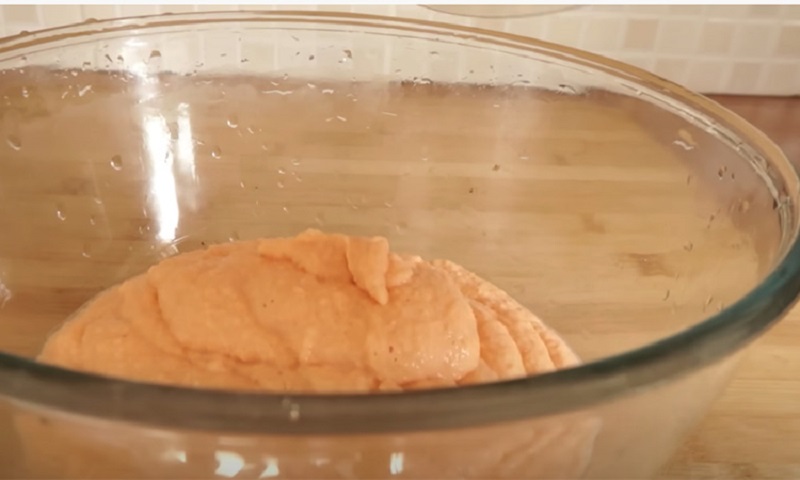
Add the drained lentils to a blender or food processor. Pour in the measured water and oil, then add the baking powder and salt. Blend until the mixture is thick and mostly smooth, stopping occasionally to scrape down the sides with a spatula.
The batter should resemble thick pancake batter. A few tiny lentil flecks are fine, but there shouldn’t be any large, hard pieces. If the blender struggles, stop it and scrape down the sides before continuing. Avoid adding extra water too quickly; even a small amount can noticeably loosen the batter.
4. Let the batter rest
Leave the batter in the blender jug or transfer it to a bowl and let it rest for 10 minutes. It may thicken slightly as the lentils absorb some of the liquid. This brief pause also gives the baking powder time to start working.
If the batter looks especially thin after resting, let it stand for another 5 minutes before pouring it into the pan.
5. Prepare the pan and oven
Heat the oven to 350°F. Lightly grease a medium loaf pan or line it with parchment paper, leaving a little overhang on the sides to make the loaf easier to lift out.
Pour in the batter and smooth the top with the back of a damp spoon. Don’t fill the pan all the way to the rim; leave room for the loaf to rise.
6. Bake until set
Bake for 45–55 minutes. The exact time depends on the depth and shape of your pan and how your oven runs. If the top begins to brown too quickly, loosely cover it with foil for the remaining baking time.
To check for doneness, insert a wooden skewer into the center. It should come out without wet batter clinging to it. A few moist crumbs are fine.
7. Cool completely before slicing
Let the loaf cool in the pan for about 10 minutes, then carefully transfer it to a wire rack. Allow it to cool completely before slicing. The crumb continues to set as the bread cools, so cutting it while warm can make the center seem sticky or underbaked.
For a firmer, easier-to-slice texture, chill the cooled loaf in the refrigerator for a few hours before cutting.
Tips for the Best Texture
⦁ Drain the lentils well. Extra soaking water can make the loaf gummy.
⦁ Blend thoroughly. A smoother batter gives the bread a more even crumb.
⦁ Keep the measured water as written at first. Lentils hold different amounts of water, so adjust only if the batter is clearly too thick to blend.
⦁ Use a loaf pan that isn’t too deep. A very deep pan can leave the center underbaked before the edges are done.
⦁ Check the middle, not just the top. A golden crust doesn’t always mean the center has set.
⦁ Cool the loaf completely. This is one of the most important steps for clean slices.
⦁ Toast slices for serving. Toasting helps firm up the texture and adds a lightly crisp edge.
Flavor Ideas and Easy Variations
The basic loaf has a mild, savory flavor, so it’s easy to adapt. Add seasonings after blending, then fold them in gently with a spatula.
Herbed lentil bread
Stir in dried oregano, thyme, or Italian seasoning. Fresh parsley or dill also works well; chop it finely so it distributes evenly through the batter.
Spiced red lentil bread
Add paprika, ground coriander, black pepper, or a little garlic powder. These warm, savory flavors pair nicely with soup and roasted vegetables.
Seeded lentil loaf
Fold in sesame seeds, flax seeds, or sunflower seeds. You can also sprinkle a few on top before baking for extra crunch.
Cheese and herb version
Add a small amount of finely grated cheese and chopped herbs. Keep the quantity modest so the loaf still bakes through evenly.
Carrot or sun-dried tomato
Finely grated carrot or chopped sun-dried tomatoes can add color and flavor. If using ingredients packed in oil, drain and pat them dry first.
Fresh zucchini and other watery vegetables need extra care. Grate them and squeeze out as much moisture as possible before adding them, or the center may remain too wet.
How to Serve Red Lentil Bread
This loaf is especially good sliced and toasted. Try it with:
⦁ Butter or cream cheese
⦁ Avocado and a pinch of salt
⦁ Hummus or another bean spread
⦁ Scrambled eggs or sliced hard-boiled eggs
⦁ Tomato soup or a hearty fall stew
⦁ Roasted vegetables and a little feta
⦁ Nut butter, if you enjoy its savory-sweet contrast
Because the bread is dense and filling, thinner slices are often all you need. I like to toast a slice and serve it alongside a warm bowl of soup for an easy lunch.
Why Is My Lentil Bread Too Moist?
A wet or gummy center usually means the batter contained too much water, the lentils weren’t drained well, or the loaf needed more time in the oven. Let the lentils drain for several minutes after soaking, and bake until a skewer inserted in the center comes out without liquid batter.
It’s also important to let the bread cool fully before judging its texture. The crumb firms up as it cools, and a warm slice can seem much softer than it will once set.
Storage and Freezing
Once completely cool, store the loaf in an airtight container or wrap it in a clean kitchen towel. At room temperature, it keeps well for about 2 days. Refrigerate it to keep it longer, but expect the crumb to become firmer.
Warm refrigerated slices in a toaster or in a dry skillet. You can also slice the loaf before freezing. Place small pieces of parchment between the slices so they don’t stick together, then store them in a freezer-safe bag or container. Let slices thaw at room temperature or toast them straight from frozen.
Frequently Asked Questions
Do I need to cook the lentils before blending?
No. Rinse and soak the dry red lentils for about 3 hours, then drain them well before blending. They soften during soaking and cook fully in the oven.
Can I use green or brown lentils?
Red lentils are the best choice for this recipe because they soften quickly and blend into a smoother batter. Green or brown lentils have firmer skins and may produce a grainier texture, so they aren’t a direct substitute.
Is this bread gluten-free?
The recipe contains no wheat flour or other gluten-containing ingredients as written. If you need to avoid gluten strictly, check the labels on your baking powder and any optional seasonings to make sure they’re certified gluten-free.
Why did my bread fall apart when I sliced it?
It may have been cut while warm, or the center may not have baked long enough. Cool the loaf completely and use a sharp serrated knife. If you prefer very firm slices, chill the cooled loaf before slicing.
Can I make this recipe without oil?
The oil contributes moisture and tenderness, so reducing or omitting it may change the texture. I recommend making the recipe as written the first time, then experimenting with a small adjustment once you know how the batter behaves in your oven.
A Simple, Hearty Loaf for Fall
This easy red lentil bread is a welcome change from a classic yeast loaf. It takes a little time for the lentils to soak, but there’s no dough to knead and no rise to wait for—just blend, bake, and let the loaf cool before slicing.
I love adding herbs and seeds for a savory fall version, then toasting a slice to serve with soup or a simple lunch. Have you tried baking bread with lentils, or do you prefer a traditional wheat loaf?
Happy baking from Cook Delicious with Rin Liadon!