Juicy fish cakes are one of my favorite ways to turn simple fish fillets into a cozy, family-friendly dinner. They’re tender in the middle, lightly crisp on the outside, and delicious whether you make them with cod, pollock, haddock, or a mix of your favorite fish.
The secret isn’t complicated: soak the bread in milk, add a little butter or pork fat for richness, and avoid overcooking the patties. Even mild, lean fish can make wonderfully moist homemade fish cakes when you follow a few simple steps. This recipe is perfect for a comforting fall meal, and you can cook the patties on the stovetop, in the oven, or in a steamer.
Why You’ll Love These Homemade Fish Cakes
⦁ Use the fish you have. Pollock, cod, haddock, salmon, and other firm-fleshed fish all work well.
⦁ Tender and flavorful. Milk-soaked bread and a little added fat help keep the patties moist.
⦁ Easy to make ahead. Chill the mixture before shaping, or refrigerate the formed patties until dinnertime.
⦁ Family-friendly. The mild flavor pairs easily with mashed potatoes, rice, vegetables, or a simple salad.
Ingredients
Makes about 8–10 fish cakes.
⦁ 2¼ pounds fish fillets, skinless and boneless
⦁ 2 medium yellow onions, peeled and quartered
⦁ 7 ounces soft white bread, crusts removed
⦁ ¾ cup whole milk
⦁ 5½ tablespoons unsalted butter, cold, or pork fat, diced
⦁ 2½ teaspoons kosher salt, or to taste
⦁ ½ teaspoon ground black pepper
⦁ ½ cup plain breadcrumbs, or as needed for coating
⦁ 2–3 tablespoons neutral oil, such as canola or vegetable oil, for frying
For the best texture, choose firm-fleshed fish. Pollock, cod, haddock, and pike are all good options. You can also combine fish: try cod with salmon, or pollock with a small amount of a richer fish. If using frozen fillets, thaw them slowly in the refrigerator and pat them dry before grinding.
How to Make Juicy Fish Cakes
- Soak the bread
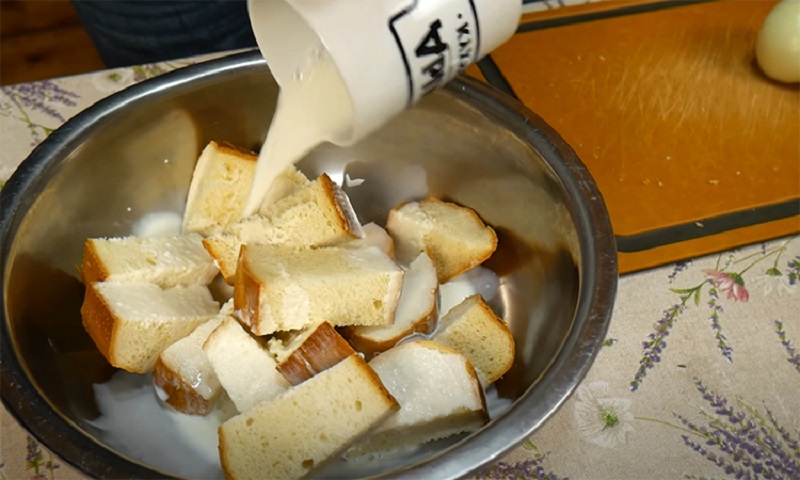
Remove the crusts from the bread and place the soft center in a bowl. Pour the milk over it and let it soak for about 10 minutes, until softened. Gently squeeze out some of the excess milk, but don’t press the bread completely dry. Keep a little milk on hand in case the fish mixture feels too firm later.
Bread helps bind the fish mixture and hold on to moisture as the cakes cook. A moderate amount gives the patties a soft, tender texture; too much can make them heavy or loose.
2. Prepare the fish and onions
Cut the fish fillets into chunks. Check carefully for any remaining bones, especially if you’re starting with a whole fish or fish portions rather than prepared fillets.
Peel and quarter the onions. For a milder, slightly sweeter flavor, sauté the onion in a little oil until soft and translucent, then let it cool before using. Raw onion gives the fish cakes a brighter, more savory flavor, so either option works.
If the fish is wet after thawing, pat it dry with paper towels. Excess moisture can make the mixture difficult to shape.
3. Make and season the fish mixture
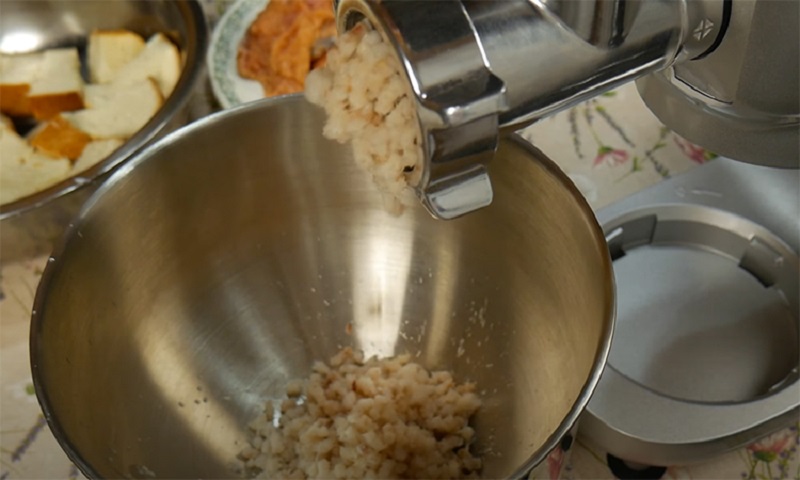
Run the fish, onion, soaked bread, and cold butter or diced pork fat through a meat grinder. For a finer, more uniform texture, grind the mixture twice. If you don’t have a grinder, pulse the ingredients in a food processor in short bursts, taking care not to turn the fish into a paste.
Add the salt and black pepper. Mix by hand for about 5 minutes, until the mixture feels cohesive and begins to hold together. This step helps the fish mixture bind, making it easier to shape and less likely to fall apart in the pan.
Cover and refrigerate the mixture for 20–30 minutes. Chilling firms it up and makes forming the patties much easier. If the mixture still feels too soft, first check whether the fish or bread is holding excess liquid. Then add breadcrumbs a tablespoon at a time—just enough to make the mixture manageable.
4. Shape and coat the patties
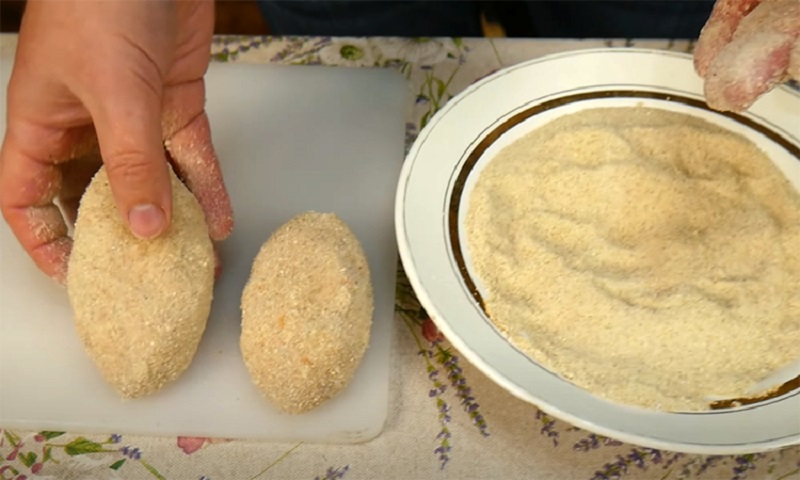
Pour the breadcrumbs onto a shallow plate. Lightly wet your hands with cold water, then shape the fish mixture into patties about ¾ inch thick. Medium-sized patties cook evenly and are less likely to dry out than very small ones.
Coat each patty lightly in breadcrumbs, pressing gently so they adhere. The coating helps create a golden crust and gives the fish cakes a pleasant contrast to their tender centers.
You can use fine cornmeal or finely crushed oats instead of breadcrumbs, though breadcrumbs give the most classic crisp finish.
5. Pan-fry until golden and tender
Heat the oil in a large skillet over medium heat. When the oil is hot but not smoking, add the fish cakes in a single layer, leaving a little space between them. Cook for a few minutes per side, until the crust is golden brown. Avoid moving the patties too soon; letting the crust set makes them easier to flip.
Once both sides are browned, reduce the heat to low, cover the skillet, and cook for another 5–7 minutes, or until the centers are cooked through. Thicker patties may need a little longer. If the pan looks dry, add 2 tablespoons of water before covering to gently finish cooking the fish cakes.
Transfer the cooked patties to a plate and let them rest, covered, for about 5 minutes. This short rest helps the texture settle and keeps the centers tender.
Oven-Baked Fish Cakes
For a lighter option, bake the patties instead of frying them.
1. Heat the oven to 350°F.
2. Arrange the coated fish cakes on a parchment-lined baking sheet.
3. Brush or lightly spray both sides with oil.
4. Bake for about 20–25 minutes, turning once halfway through, until cooked through and lightly golden.
Cooking time depends on the size and thickness of the patties. Avoid baking them longer than needed, especially if you’re using lean fish such as pollock or cod.
Steamed Fish Cakes
For a soft, gentle version, cook the patties in a steamer. Skip the breadcrumb coating and arrange the cakes in the steamer basket, leaving space between them. Steam until cooked through, adjusting the timing to the thickness of the patties. A little butter in the fish mixture adds richness and helps keep this version tender.
Easy Ways to Customize the Recipe
Once you’ve made the basic recipe, try one of these additions:
⦁ Fresh herbs: Add chopped parsley, dill, or chives.
⦁ A little color: Mix in finely diced sweet bell pepper or grated carrot.
⦁ Gentle warmth: Add a pinch of paprika or ground coriander.
⦁ More brightness: Stir in a little lemon zest or a squeeze of lemon juice just before serving.
⦁ A richer fish blend: Combine lean cod or pollock with salmon for deeper flavor and a softer texture.
Use additions sparingly so they don’t overpower the mild flavor of the fish. If you add vegetables, chop or grate them finely and squeeze out excess moisture.
What to Serve with Fish Cakes
These easy fish cakes pair beautifully with mashed potatoes, rice, buckwheat, or sautéed vegetables. For a fresh fall dinner, I like to serve them with roasted vegetables or a crisp cucumber-and-tomato salad.
A simple sour cream sauce makes a lovely accompaniment. Stir together sour cream, chopped dill or parsley, a small spoonful of Dijon mustard, and a few drops of lemon juice. You can also serve the patties with tartar sauce, lemon wedges, or a light yogurt sauce.
Tips for the Best Fish Cakes
⦁ Thaw frozen fish in the refrigerator. Slow thawing helps preserve its texture. Pat it dry before grinding.
⦁ Keep the mixture cool. Chilling makes the patties easier to shape and helps them hold together.
⦁ Don’t add too much breadcrumb to the mixture. Start with a small amount only if the fish mixture is too soft.
⦁ Use moderate heat. High heat can brown the coating before the centers are cooked.
⦁ Flip carefully. A wide spatula is helpful, and it’s best not to move the patties until a crust has formed.
⦁ Let them rest before serving. Five minutes under a loose cover helps the fish cakes stay tender.
Make-Ahead and Storage
You can prepare the fish mixture a few hours ahead and keep it covered in the refrigerator. You can also shape the patties in advance and refrigerate them in a single layer, separated with parchment paper. Coat them in breadcrumbs shortly before cooking for the best crust.
Store leftover cooked fish cakes in an airtight container in the refrigerator for up to 3 days. Reheat them gently in a covered skillet over low heat or in a 325°F oven until warmed through. Avoid overheating, which can dry out the fish.

Frequently Asked Questions
What fish is best for fish cakes?
Firm, mild fish such as pollock, cod, haddock, or pike works well. Salmon can be used on its own or combined with a leaner fish for a richer flavor.
How do I keep fish cakes from falling apart?
Grind or chop the ingredients evenly, mix the fish mixture thoroughly, and chill it before shaping. Make sure the patties are not too wet, and wait for the crust to set before flipping.
Can I make fish cakes without a meat grinder?
Yes. Pulse the fish and other ingredients in a food processor, working in short bursts. Stop as soon as the mixture is evenly chopped and holds together; overprocessing can make it dense.
Can I freeze fish cakes?
For best results, shape the uncooked patties and freeze them in a single layer until firm. Transfer them to a freezer-safe container, separating layers with parchment. Thaw in the refrigerator, coat with breadcrumbs, and cook as directed.
A Cozy, Simple Fish Dinner
These juicy fish cakes show how a few everyday ingredients can make a comforting meal for the whole family. The bread helps keep the centers tender, a little butter or pork fat adds richness, and a golden breadcrumb coating gives every bite a satisfying crunch.
Even an inexpensive white fish can turn into a delicious homemade dinner when the mixture is well chilled and the patties are cooked gently. Serve them warm with potatoes, vegetables, and a bright, creamy sauce—and enjoy a cozy meal together.