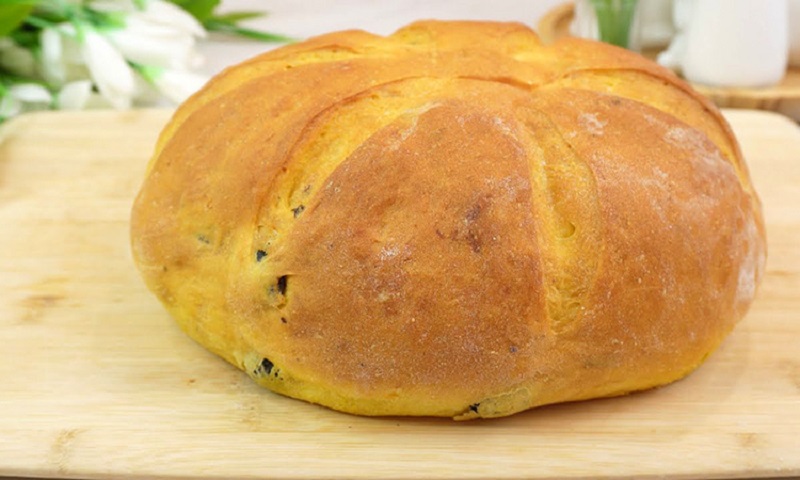
There’s something especially comforting about a loaf of homemade bread fresh from the oven. This soft pumpkin bread has a tender, airy crumb, a lightly crisp crust, and just a touch of sweetness from the pumpkin and raisins. I love serving it warm with butter for breakfast, an afternoon snack, or a cozy autumn treat.
The secret to its lovely texture is pumpkin purée. It adds moisture, a delicate golden color, and a gentle pumpkin flavor—without making the bread heavy. This easy yeast bread is a lovely way to make a familiar homemade loaf feel a little more special.
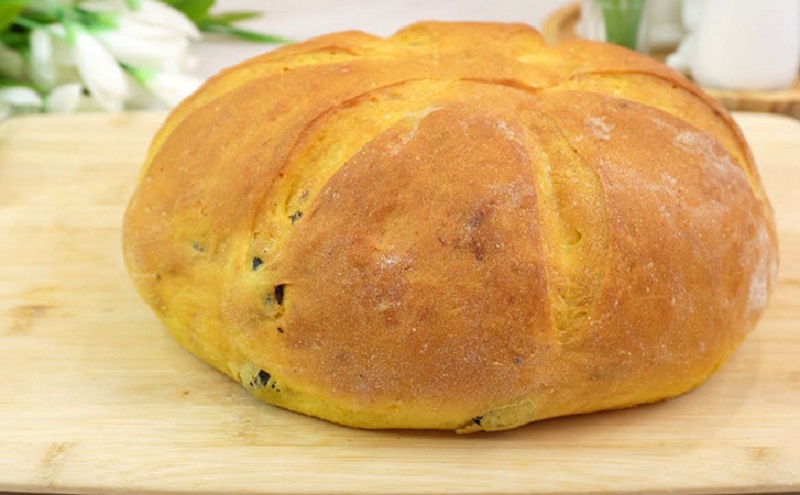
Why I Love This Homemade Pumpkin Bread
Pumpkin has long been a practical addition to home baking: it brings natural moisture and mild sweetness to dough. In this recipe, it works beautifully with sour cream, a little oil, and raisins to make a soft pumpkin bread that stays tender into the next day.
This is a versatile pumpkin yeast bread, too. You can keep it simple or add cinnamon, citrus zest, or chopped nuts. I like recipes that welcome little family touches, and this one is easy to make your own.
Ingredients
For the dough:
⦁ 9 ounces pumpkin, peeled and cut into chunks
⦁ 1 tablespoon granulated sugar
⦁ A scant 1 teaspoon salt
⦁ 1 tablespoon sour cream
⦁ 1 large egg
⦁ 2 tablespoons vegetable oil
⦁ ⅓ cup semolina
⦁ 2 cups all-purpose flour, plus a little more if needed
⦁ About 3 tablespoons raisins
For the yeast mixture:
⦁ 1 tablespoon warm water
⦁ ⅓ ounce fresh yeast
⦁ ½ teaspoon granulated sugar
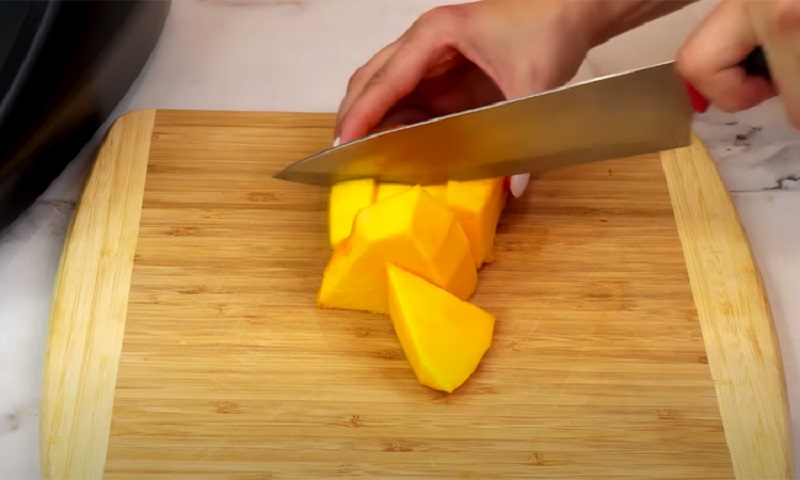
Make the Pumpkin Purée and Activate the Yeast
Cook the pumpkin in a small amount of water until tender. Drain it well, then blend until completely smooth. Let the purée cool until just warm or at room temperature before adding it to the dough.
To prepare the yeast mixture, dissolve the fresh yeast and ½ teaspoon sugar in 1 tablespoon warm water. Leave it for about 10 minutes, until foamy. The water should feel warm, not hot; excessive heat can prevent the yeast from working properly.
Mix and Knead the Dough
In a large bowl, combine the cooled pumpkin purée, foamy yeast mixture, egg, sour cream, oil, sugar, and salt. Stir in the semolina.
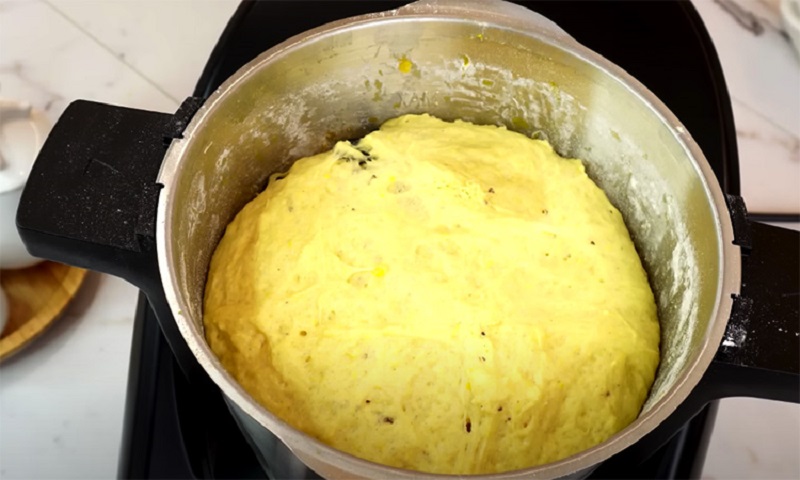
Sift in the flour and mix until a soft dough forms. Knead until smooth and elastic. The dough should feel soft and may be slightly tacky, but it shouldn’t be wet or difficult to handle. Add flour a little at a time only if necessary—too much can make the loaf dense.
Fold in the raisins. Cover the bowl with a clean kitchen towel or plastic wrap and leave the dough to rise until puffy and visibly increased in size. The source recipe suggests at least 15 minutes, but the actual time will depend on the warmth of your kitchen and how active the yeast is.

Shape and Bake the Loaf
Heat the oven to 400°F. Line a baking sheet with parchment paper.
Shape the dough into a loaf and place it on the prepared sheet. Cover it and let it rise until puffy. Make a few shallow slashes across the top with a sharp knife to help the loaf expand as it bakes. For a shiny crust, lightly brush the top with beaten egg; for a simpler finish, mist or brush it with water.
Bake at 400°F for 10 minutes. Reduce the oven temperature to 350°F and bake for another 20–30 minutes, or until the loaf is golden and cooked through. If it browns too quickly, loosely cover it with foil for the remainder of the baking time.
Transfer the pumpkin bread to a wire rack and let it cool before slicing. I know it’s tempting to cut into a warm loaf, but cooling helps the crumb set and keeps the slices soft and neat.
Helpful Tips for Soft, Fluffy Pumpkin Bread
⦁ Drain the pumpkin well. Excess water can make the dough sticky and affect the texture. The purée should be thick, not watery.
⦁ Let the purée cool before mixing. Hot pumpkin can harm the yeast and partially cook the egg.
⦁ Add flour gradually. Pumpkin purée varies in moisture, so the dough may need a little more or less flour than expected.
⦁ Give the dough enough time to rise. Watch the dough rather than the clock; a cool kitchen can slow fermentation.
⦁ Soak dry raisins if needed. If yours are very dry, soak them briefly in warm water, then drain and pat them dry before adding them to the dough.
Easy Ways to Customize the Recipe
For a warmer autumn flavor, add ½ teaspoon ground cinnamon or a pinch of nutmeg. A little orange or lemon zest brings a bright note, while chopped walnuts or pecans add a pleasant crunch.
You can also experiment with some whole-wheat or rye flour. Replace only part of the all-purpose flour at first, since whole-grain flours absorb more liquid and can make the loaf denser. If the dough feels dry, add a little water, a teaspoon at a time.
For a sweeter loaf, add a spoonful of honey or a few extra raisins. For a savory variation, leave out the raisins and try a sprinkle of sesame or caraway seeds on top.
How to Serve and Store Pumpkin Bread
This pumpkin bread is delicious slightly warm with butter, cream cheese, or thick yogurt. It also makes a lovely autumn breakfast or snack alongside tea or coffee.
Once completely cool, wrap the loaf in a clean kitchen towel or store it in an airtight container at room temperature. For longer storage, slice and freeze it in a freezer-safe bag, then warm individual slices as needed.
If the bread begins to dry out, don’t throw it away. Turn leftover slices into croutons for salads or toast them with a little butter for an easy treat.
I hope this soft pumpkin bread brings a little extra warmth to your kitchen this fall. If you make it, I’d love to hear which additions your family enjoys most. Enjoy!